
Executive Summary

The Students Rescue Charity Project (SRCP) is a non-profit educational initiative established to ease students’ study journeys and ensure that every learner has the opportunity, tools, and guidance to achieve their dreams.

Across Uganda and other developing regions, thousands of students face barriers to education due to poverty, lack of scholastic materials, limited access to digital learning, and poor mentorship. Many bright students drop out of school or fail to reach their potential — not because of lack of ability, but because of lack of opportunity.

SRCP seeks to address these challenges through comprehensive support programs that supply school materials, scholarships, mentorship, digital training, job linkage, and girl child empowerment through sanitary pad distribution and hygiene education.

The project will support underprivileged students from nursery to university, focusing on both access and empowerment.

By providing these interventions, SRCP aims to produce well-educated, skilled, and confident youth who can contribute meaningfully to their communities and country.

Problem Statement

Lack of Scholastic Materials and Basic School Resources

Across rural and low-income urban communities, thousands of students attend school without essential learning tools such as books, braille machines and papers, sanitary pads, pens, uniforms, and shoes.Many share a single book among five or more classmates, making studying extremely difficult.Some write on paper scraps or sand due to the unavailability of exercise books.Schools often lack chalk, blackboards, desks, and teaching materials — forcing teachers to improvise with limited resources.This chronic shortage of basic materials not only reduces learning outcomes but also contributes to high dropout rates, low literacy levels, and loss of motivation among students who feel left behind.

Exclusion of Students with Disabilities

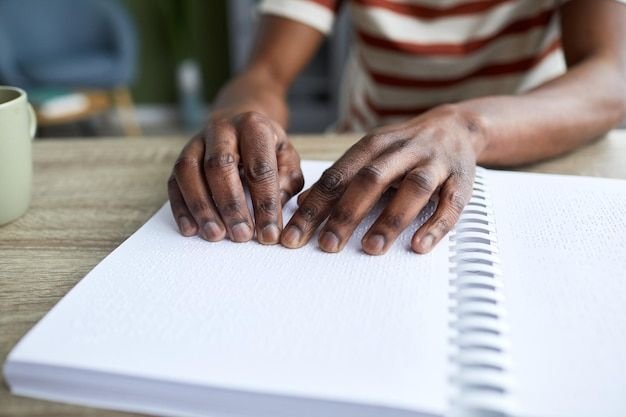
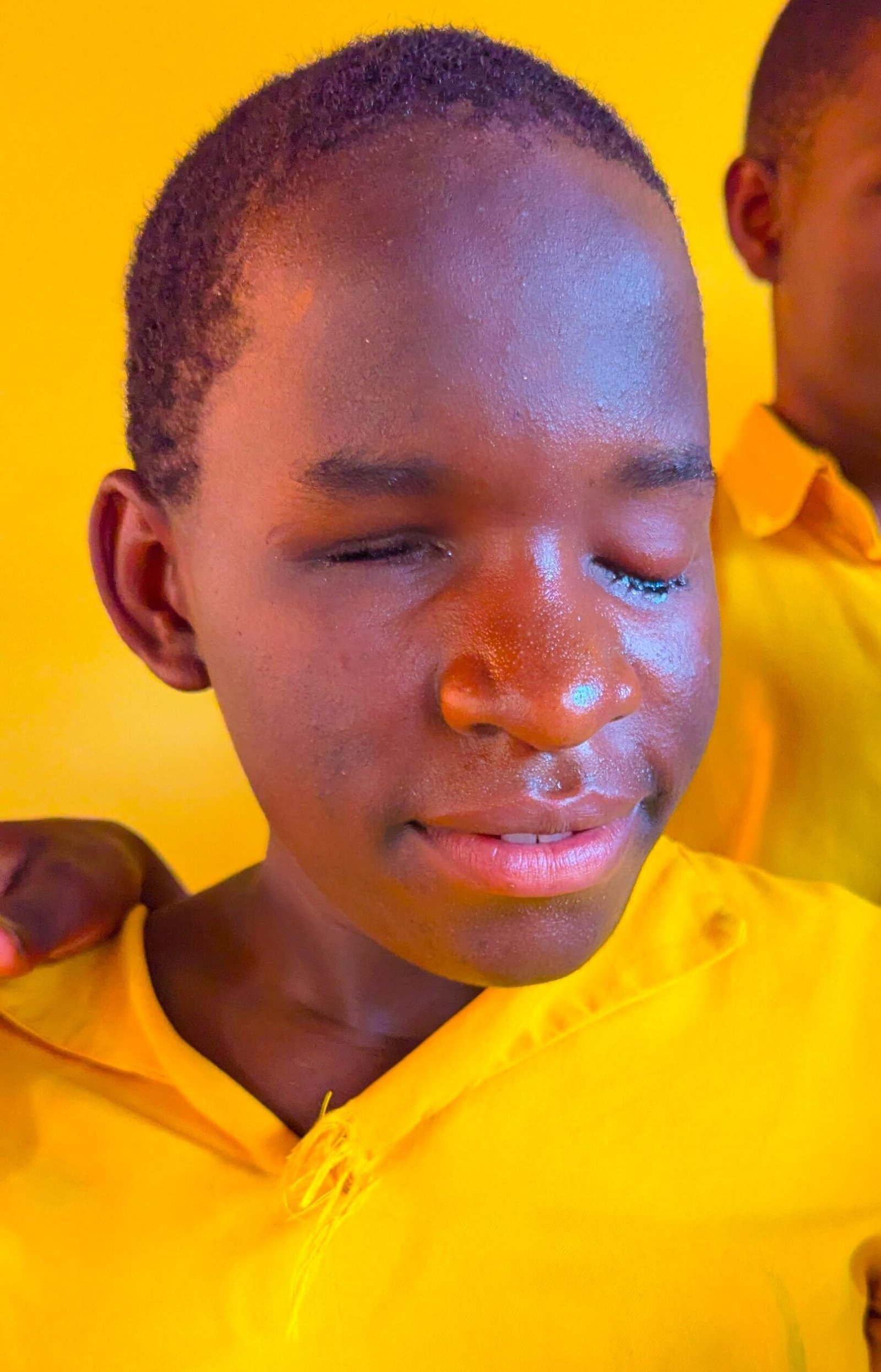
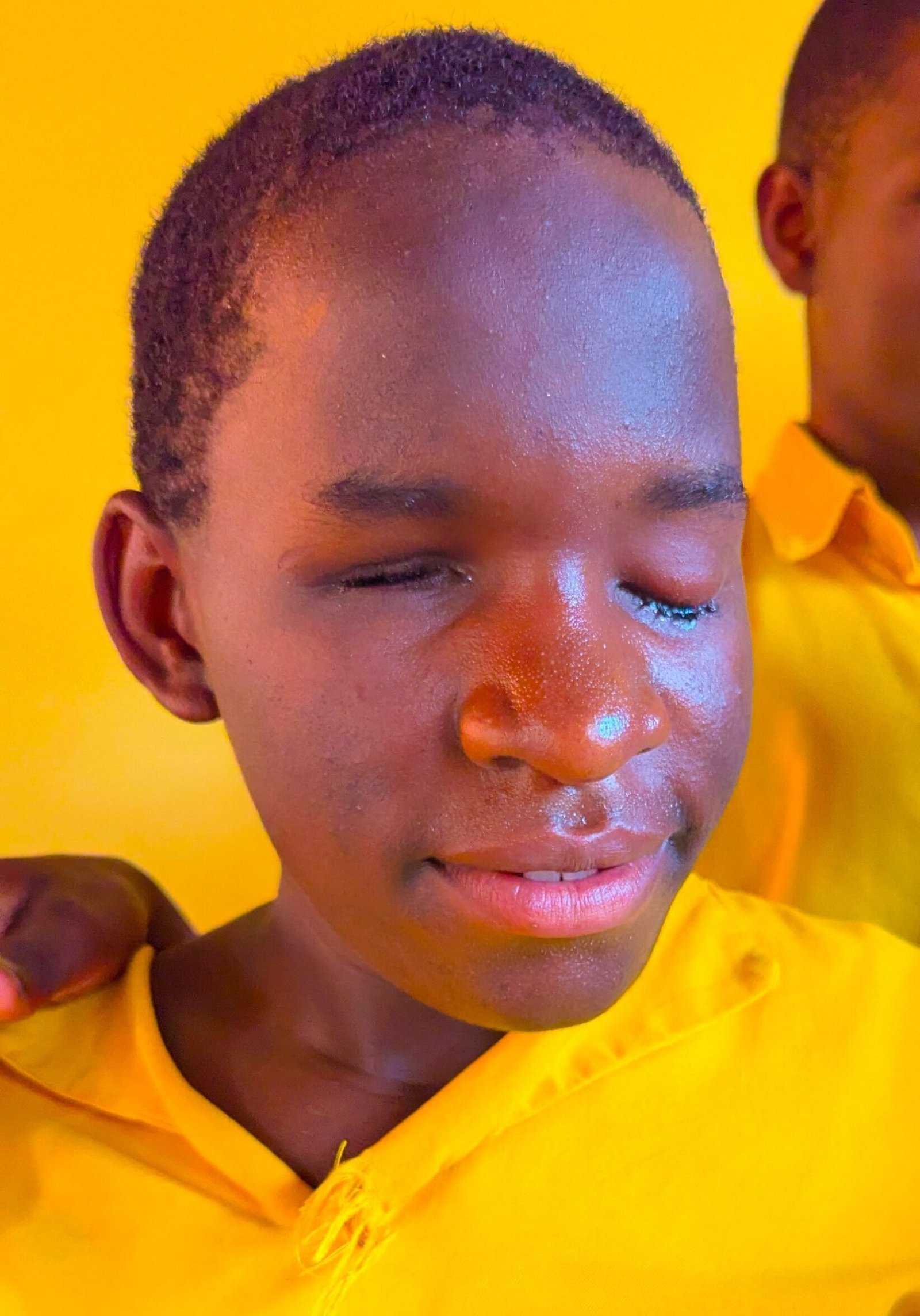
Students with disabilities face even more severe challenges:Schools lack Braille materials, sign language interpreters, and accessible infrastructure.Teachers are often untrained in inclusive education methods.As a result, learners with visual, hearing, or physical impairments are marginalized and left behind.This group requires targeted support to ensure equal access to education and participation.

Gender Inequality and Girl Child Challenges

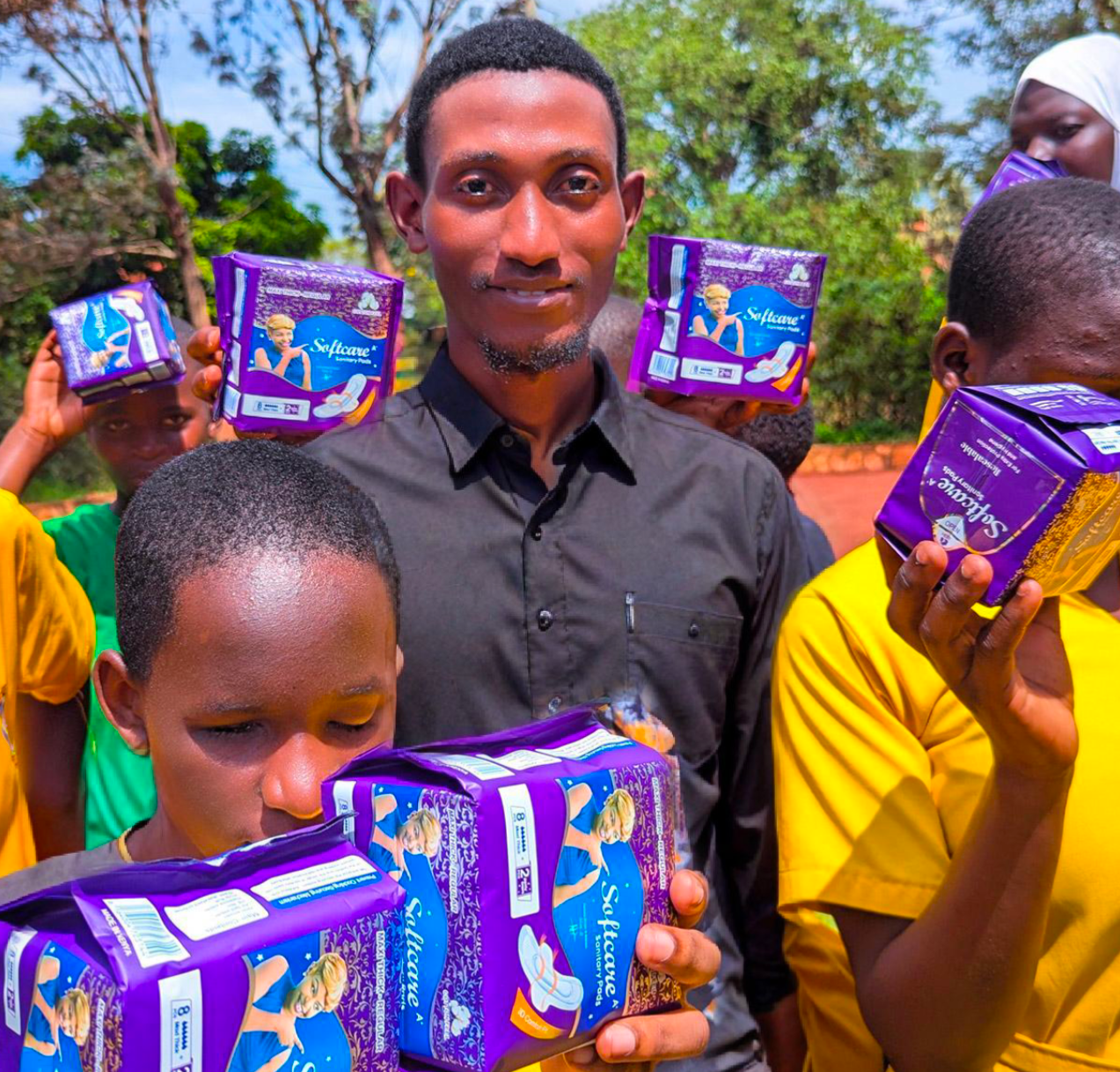
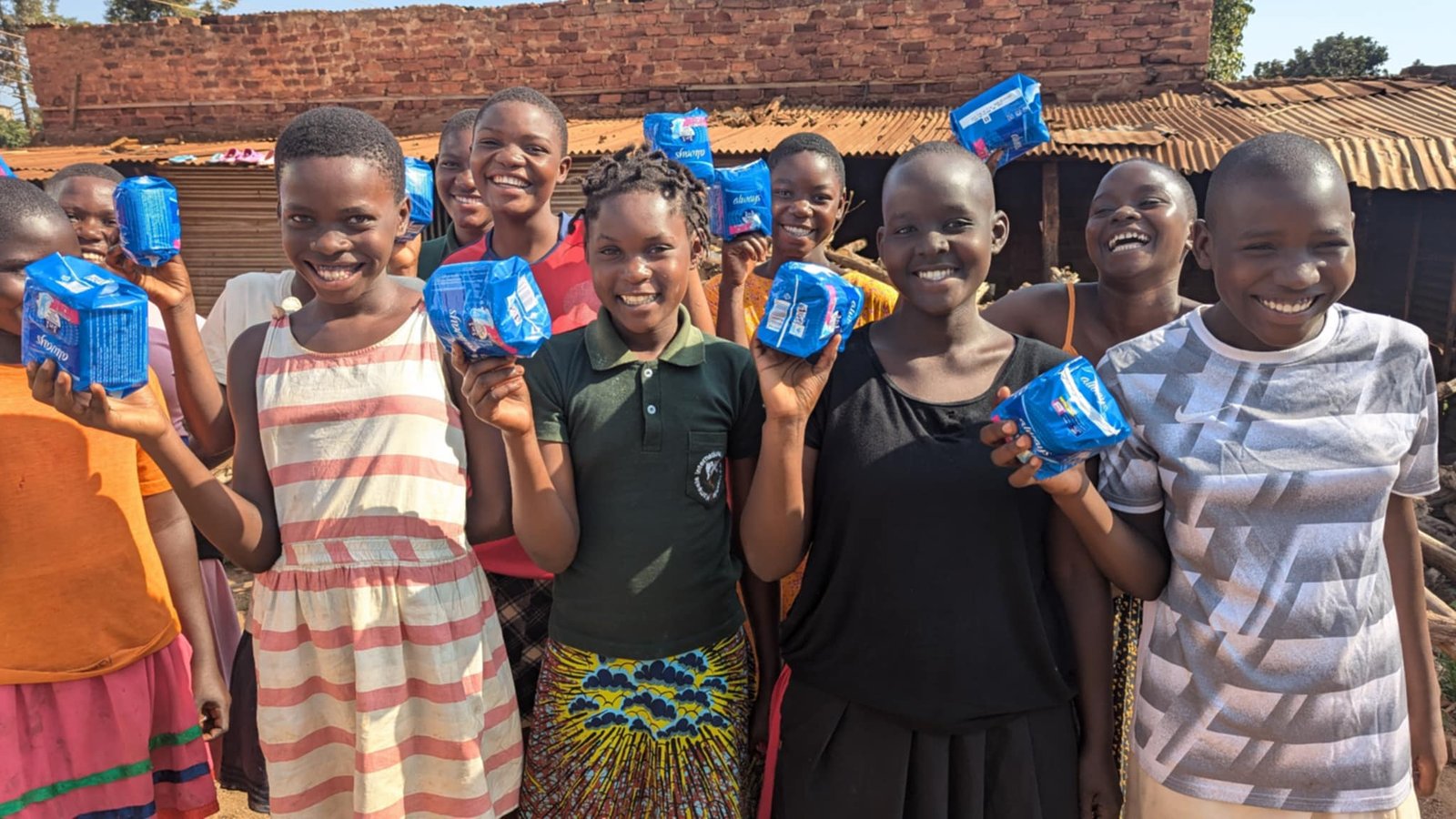
The situation is even more critical for girls.Many girls miss 3 to 5 school days each month due to lack of sanitary pads and menstrual hygiene facilities.In remote areas, menstruation is still surrounded by shame and stigma, causing embarrassment and absenteeism.Early marriages and gender-based discrimination further threaten girls’ education.Without intervention, these issues continue to deepen gender inequality and deny many young women the chance to reach their potential. The absence of menstrual hygiene education and affordable sanitary materials is one of the leading causes of school dropout among adolescent girls in Uganda.

Limited Access to Digital Learning and ICT Skills

In the 21st century, technology is at the heart of education and employment — yet most students in rural areas have never touched a computer.Schools lack ICT equipment, reliable power, or internet access.Students are excluded from digital learning resources, online study materials, and global knowledge networks.Even teachers have limited computer literacy, reducing the ability to integrate digital education into classrooms.This digital divide places rural and disadvantaged students at a severe disadvantage compared to their peers in better-equipped schools. It limits their exposure to modern education and their competitiveness in future job markets.

Goal:
To empower and support needy students to access education, acquire skills, and achieve their full potential — from learning to earning..

PROJECT ACTIVITIES

The Students Rescue Charity Project (SRCP) is designed as a multi-dimensional initiative combining education access, empowerment, and skills development. The following are the key activities that will be implemented to achieve the project’s objectives.

School Materials Rescue Program

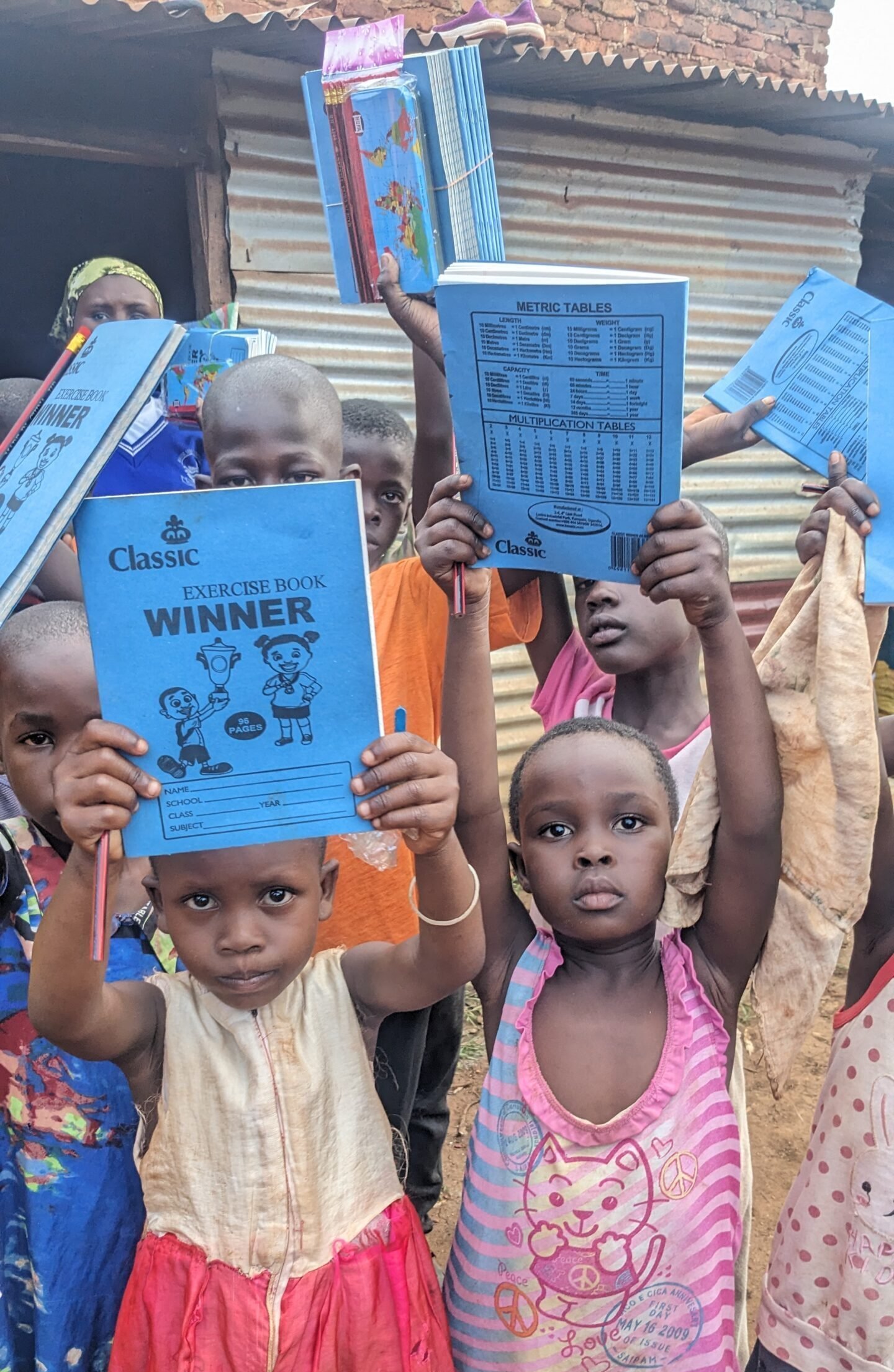
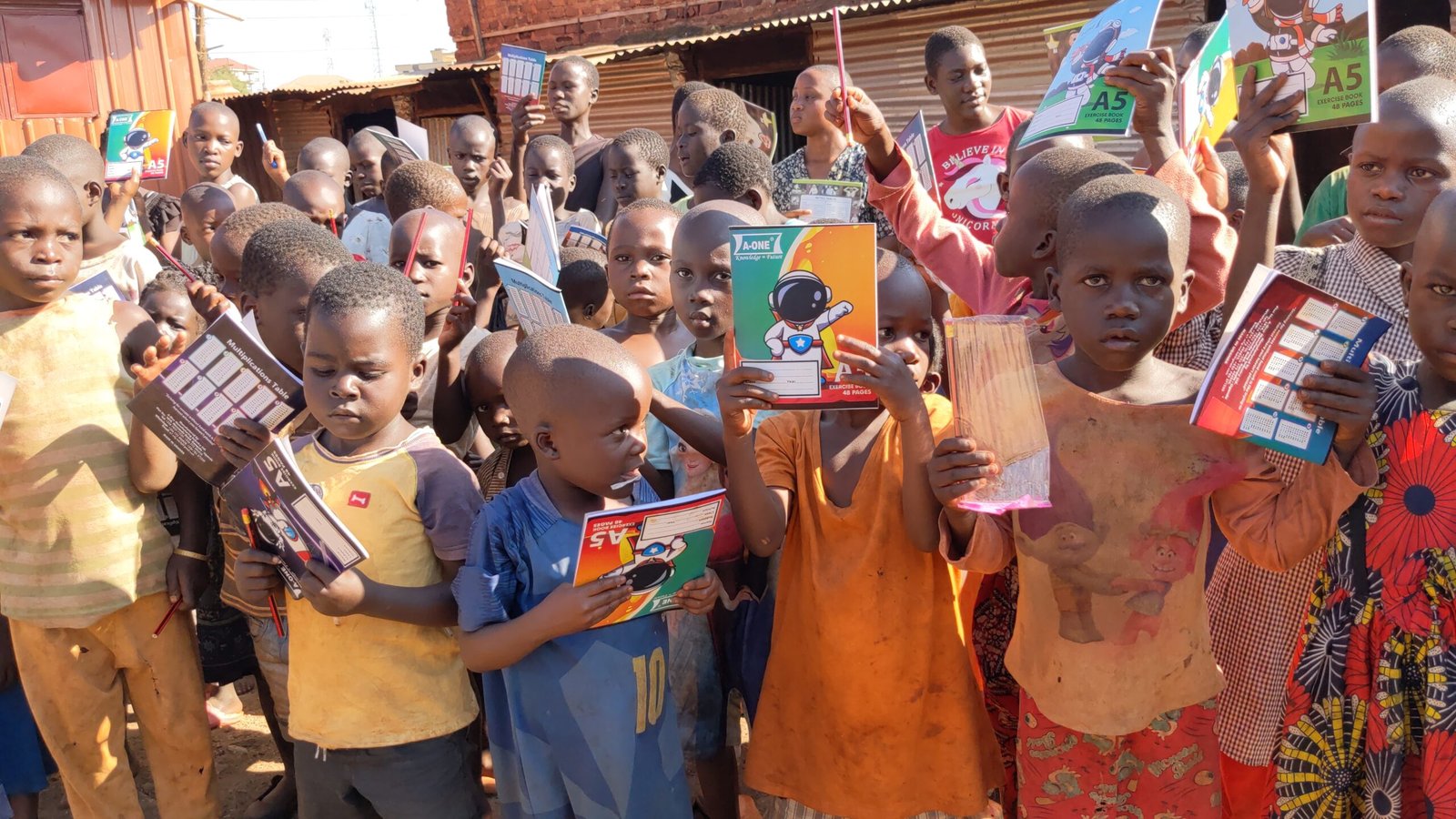
This activity focuses on identifying and supporting students in need with essential scholastic materials such as exercise books, pens, pencils, mathematical sets, school bags, uniforms, shoes, and clean drinking water solutions (bottles or tanks for schools).Implementation Approach:Conduct school visits and needs assessments to identify vulnerable students.Mobilize resources through partnerships, donations, and local drives.Distribute materials at the start of every academic term.Work closely with school administrators to ensure fair and transparent distribution.Beneficiaries: Primary and secondary school students from low-income or rural communities. Expected Impact:Over 12,000 students receive learning materials annually.Improved school attendance and retention rates.Better academic performance and reduced dropout levels.
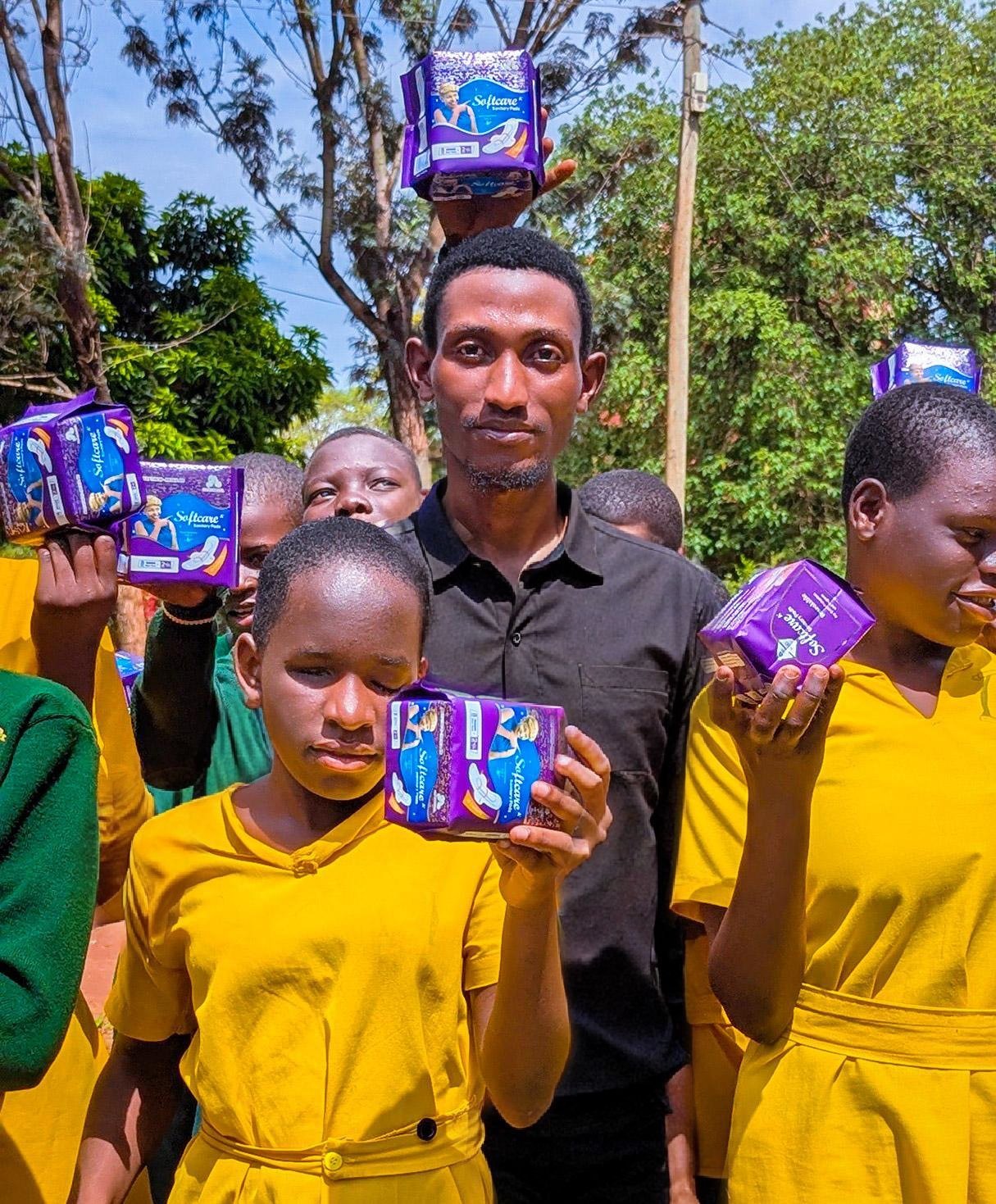
Girl Child Empowerment & Menstrual Health Program

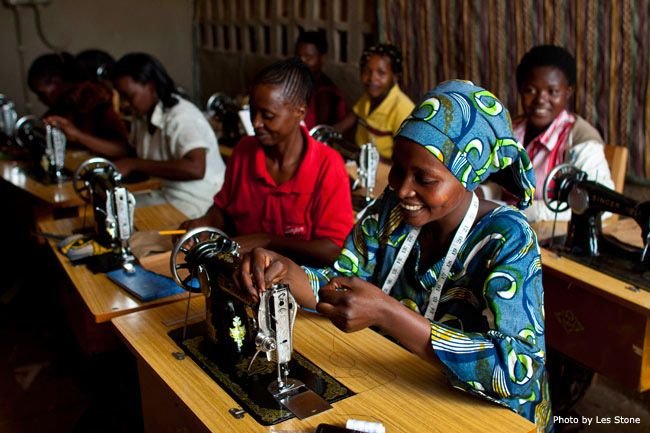
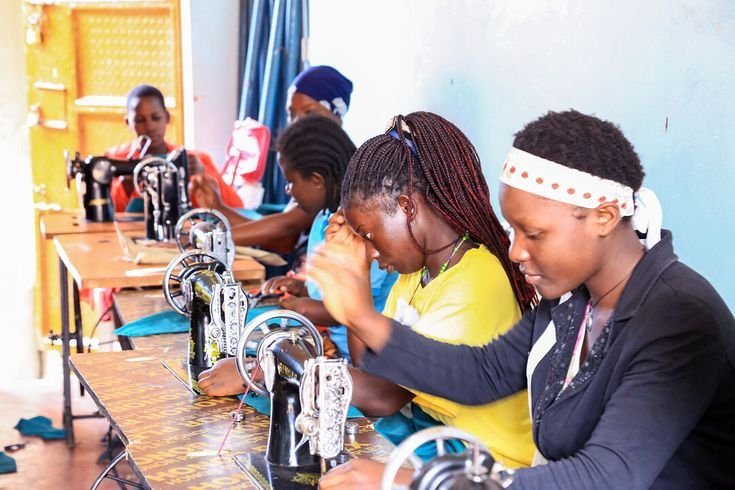
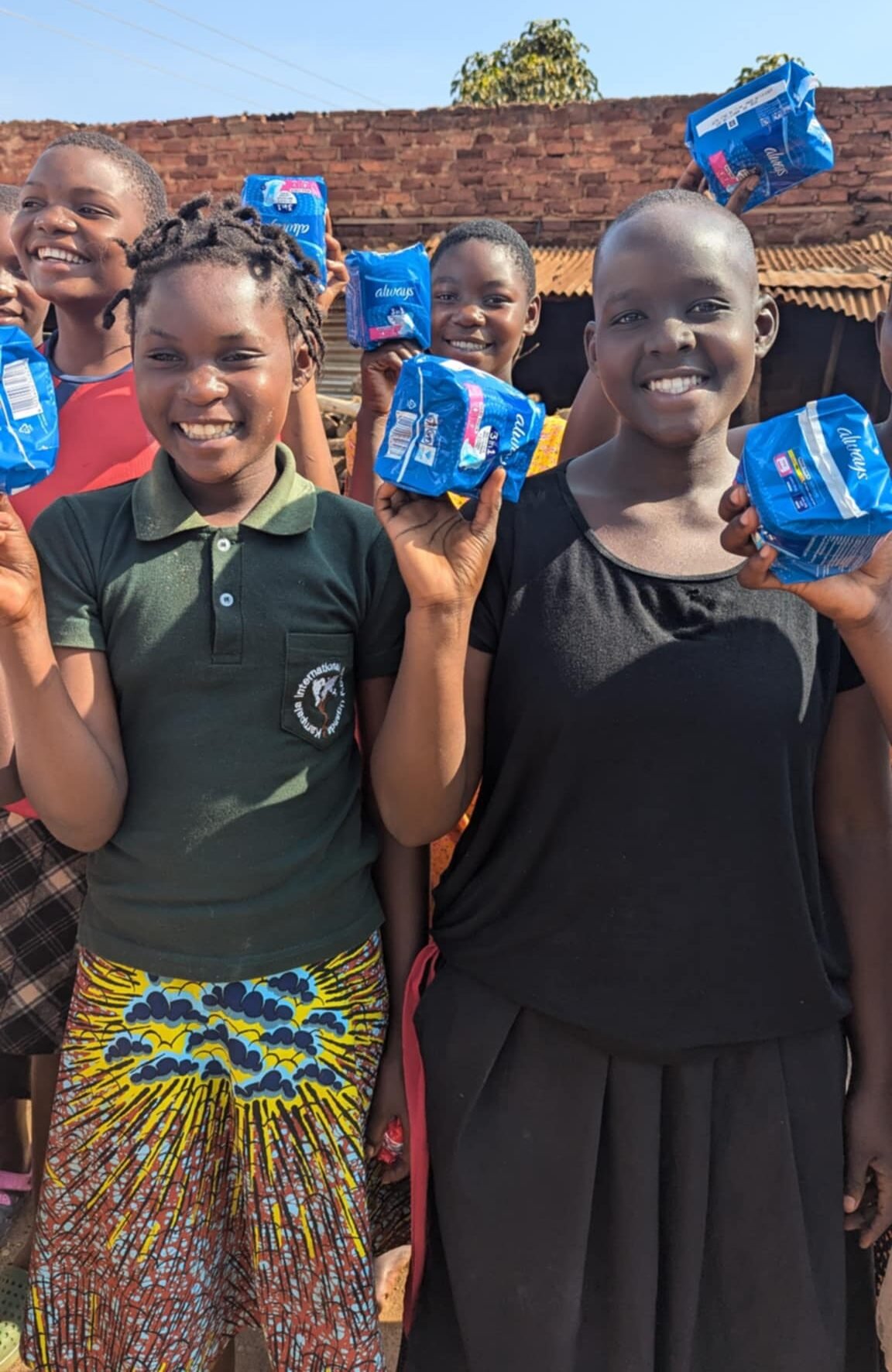
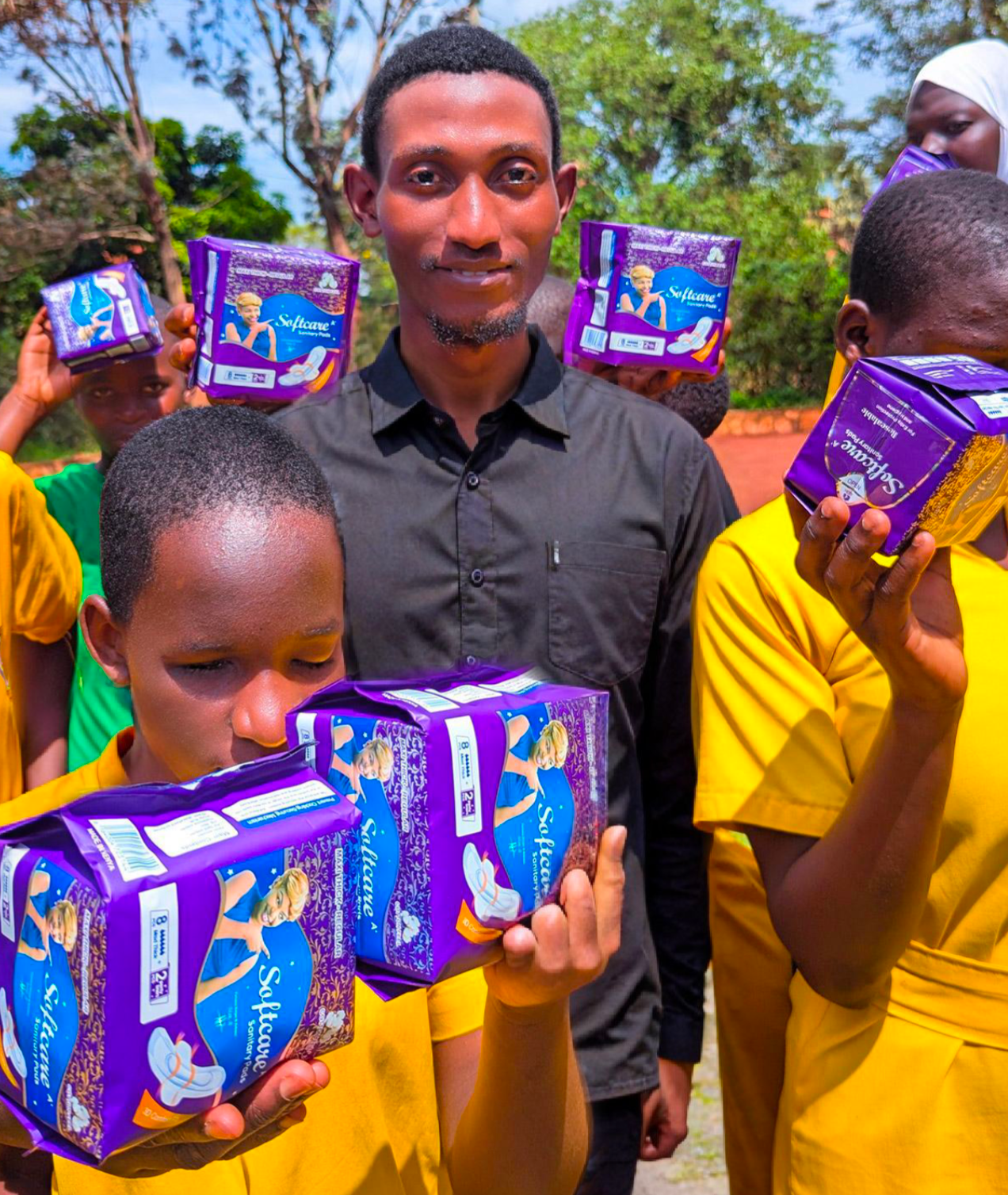
Many girls drop out or miss school during their menstrual periods due to lack of sanitary pads and stigma. This program focuses on:Distributing free sanitary pads (both disposable and reusable).Training girls and women to make reusable sanitary pads using locally available materials.Conducting menstrual hygiene education sessions for both girls and boys to reduce stigma.Equipping schools with emergency hygiene kits and proper disposal facilities.Implementation Approach:Partner with health organizations and pad manufacturers.Establish “Girls Empowerment Clubs” in schools.Conduct quarterly training sessions and pad-making workshops.Provide sanitary pad-making machines for community production centers.Expected Impact:10,000+ girls supported annually.Improved school attendance among adolescent girls.Enhanced self-esteem and menstrual hygiene awareness.Increased capacity for local pad production for sustainability
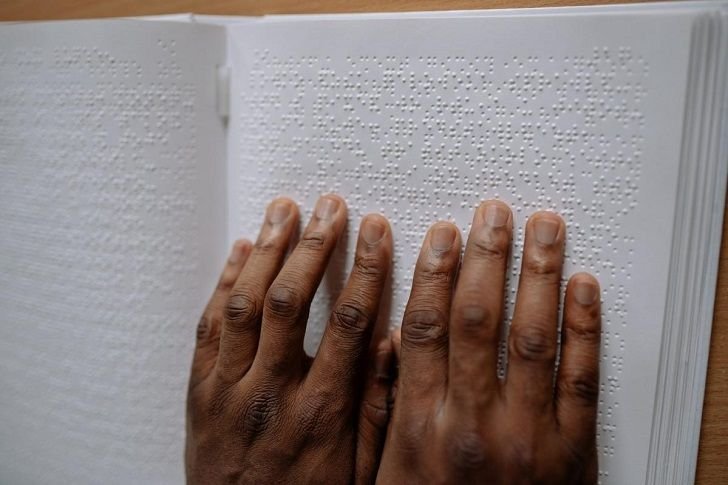
Inclusive Education and Disability Support Program

SRCP recognizes that inclusivity is key to educational equality. This program supports visually impaired, hearing-impaired, and physically challenged learners by providing Braille materials, hearing aids, and adaptive learning tools.Implementation Approach:Identify and register students with disabilities.Partner with special needs institutions for technical guidance.Provide adaptive materials, mobility aids, and training for teachers.Advocate for inclusion and accessibility in schools.Expected Impact:300+ learners with disabilities supported annually.Improved participation and performance of special needs students.Strengthened teacher capacity in inclusive education. Expected Impact:300+ learners with disabilities supported annually.Improved participation and performance of special needs students.Strengthened teacher capacity in inclusive education.
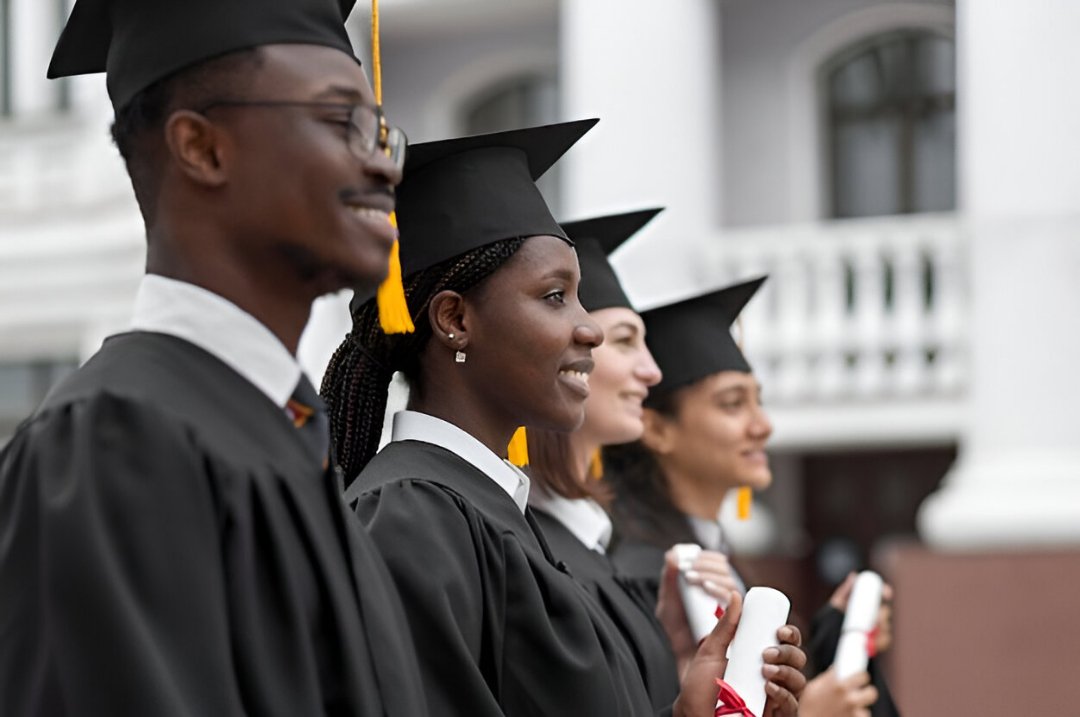
Scholarship and Sponsorship Access Program

To connect bright but needy students to educational opportunities, scholarships, and sponsors to ensure uninterrupted learning.Description: This initiative helps identify talented but financially struggling students and assists them in applying for local and international scholarships, bursaries, and sponsorships. It also allows donors to sponsor a child per term, per year, or per study level — nursery, primary, secondary, or university.Implementation Approach:Partner with educational institutions and NGOs that offer scholarships.Develop an online database for student profiles and sponsor matching.Conduct awareness drives and sponsorship campaigns (“Adopt a Student” initiative).Monitor and report progress of sponsored students. Expected Impact:Over 500 students supported with scholarships annually.Reduced school dropouts due to financial constraints.Strengthened connection between donors and beneficiaries.

Digital Skills and Online Learning Access Program

The program introduces ICT training in schools with limited technological access. It aims to empower learners with basic computer skills, online research techniques, e-learning tools, and virtual collaboration abilities. SRCP will establish community computer labs and promote online study platforms accessible to rural students.Implementation Approach:Set up digital learning centers equipped with computers, internet access, and solar power.Conduct digital literacy training for students and teachers.Partner with e-learning platforms and universities for online courses.Develop a resource portal offering free study materials, scholarships, and job information.Expected Impact:3,000+ students trained in ICT and online learning annually.Improved access to global knowledge and digital education.Enhanced employability and innovation among youth.
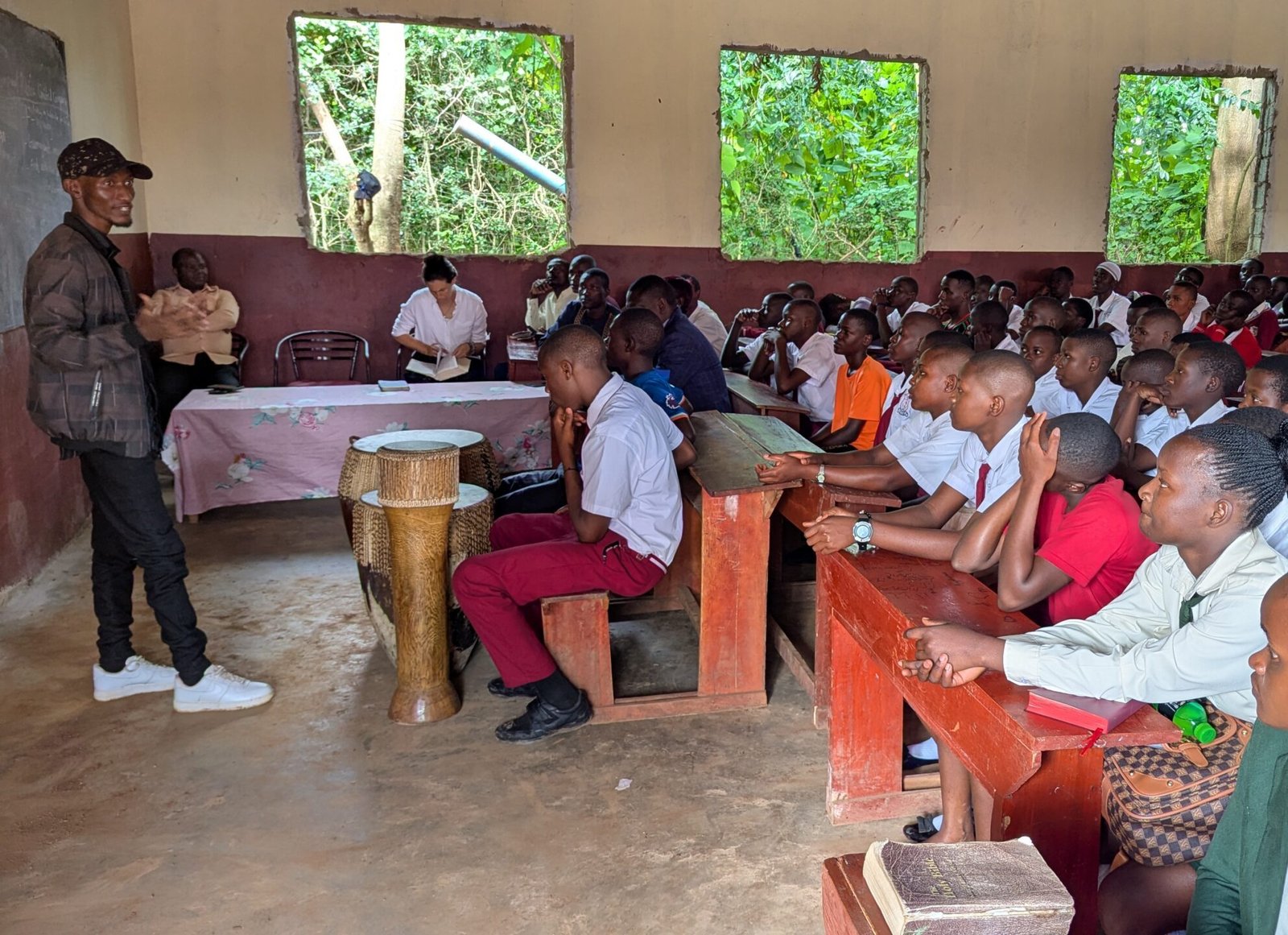
Career Mentorship, Counseling & Life Skills Program

This program focuses on building the confidence, leadership, communication, and decision-making skills of students. It introduces mentorship from professionals and alumni who have succeeded in various fields to inspire learners.Implementation Approach:Organize mentorship events, school talks, and workshops.Recruit volunteer mentors from universities, companies, and organizations.Provide life skills sessions on topics like financial literacy, goal setting, and teamwork.Set up a “Student Mentorship Portal” for continuous online guidance.Expected Impact:1,000+ students mentored annually.Improved motivation and self-esteem.Increased awareness of career paths and opportunities.Better transition from school to the workforce.
Expected Outcomes

  • Thousands of students equipped with necessary materials to stay in school and perform better.

  • ewer girls missing school due to menstrual challenges; greater dignity and confidence.

Equal access to education for students with disabilities.

  • More bright students gain access to local and international sponsorships.

More students and teachers capable of using computers and online resources effectively.

    • Students acquire practical skills, life confidence, and readiness for employment.

Students Rescue Charity Project Activities & Budget

No.ActivityDescriptionDurationExpected OutputCost (USD)
1School Materials Rescue ProgramDistribution of books, pens, school bags, uniforms, and shoes to needy students.6 months (per term)12,000+ students receive scholastic materials annually15,800
2Girl Child Empowerment & Menstrual HealthProvide reusable/disposable sanitary pads, hygiene training, and pad-making skills.Quarterly workshops10,000 girls supported; 500 trained in pad-making13,200
3Digital Skills & Online Learning AccessICT labs setup, computer literacy training, and online study resource access.8 months3 centers built; 3,000+ students trained21,000
4Scholarship & Sponsorship AccessIdentify and connect bright students to local/international scholarships.Ongoing500+ students connected annually10,500
5Career Mentorship & Life SkillsLeadership talks, soft skills, and career guidance for students.4 months1,000 students mentored annually6,600
6Job Sponsorship & Skills EmpowermentVocational skills, entrepreneurship coaching, and job placements.6 months500 youth trained; 300 graduates supported6,600
7Inclusive Education & Disability SupportProvide Braille materials, hearing aids, and adaptive tools to disabled learners.Continuous300+ learners supported annually2,600
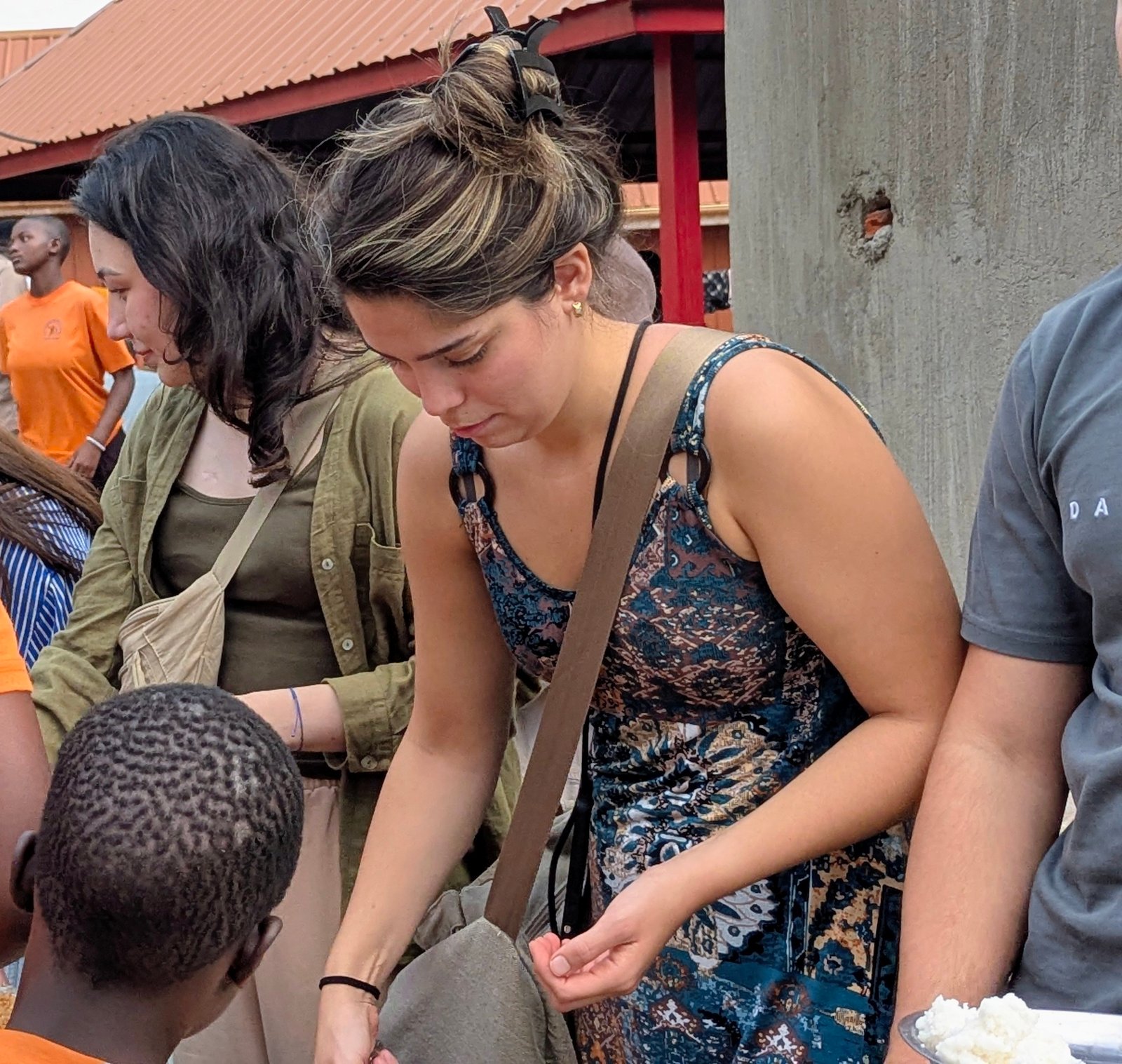
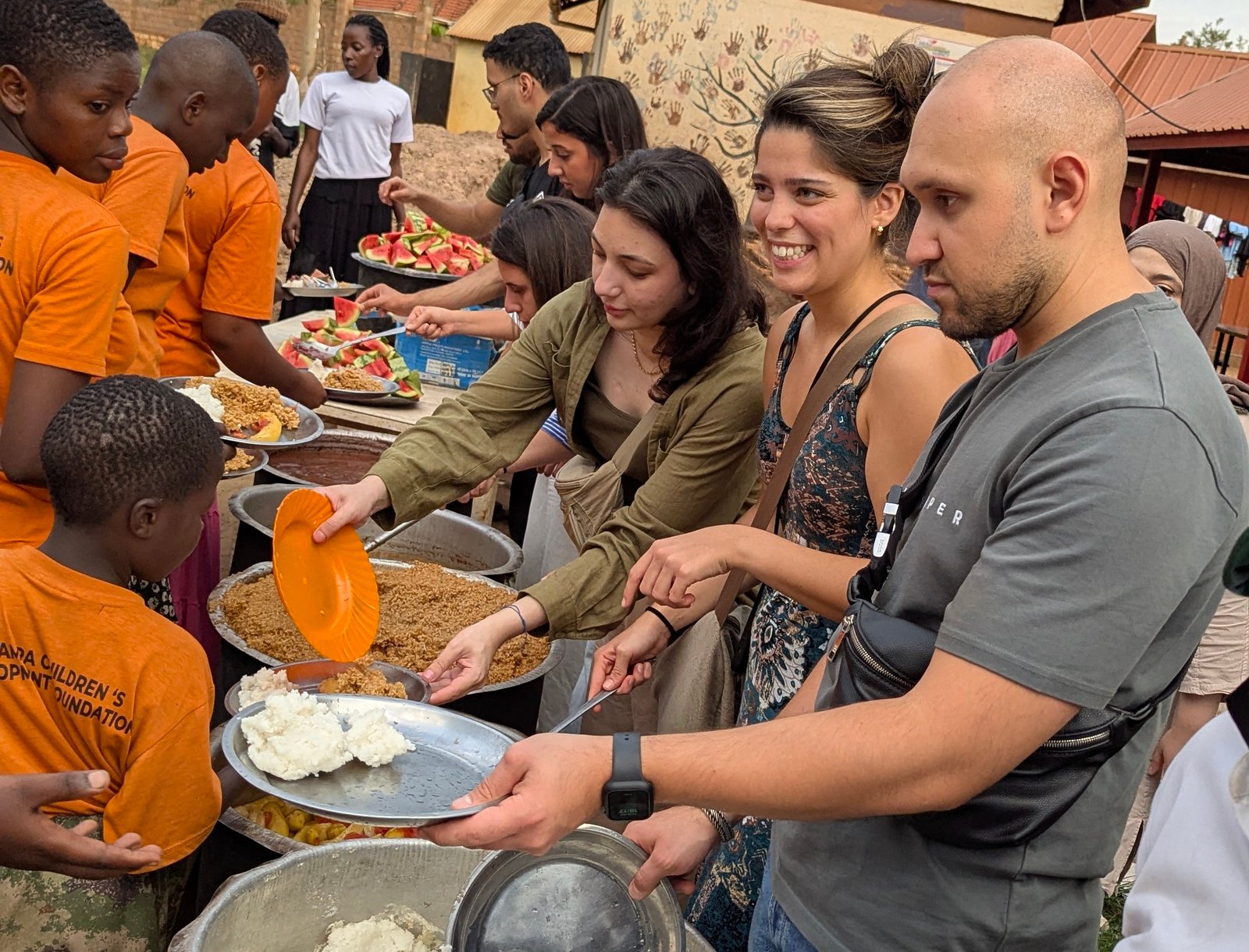
8Volunteer & Community EngagementRecruit, train, and engage volunteers for material distribution and mentorship.Ongoing200+ active volunteers annually3,900
9Water, Sanitation & Hygiene (WASH)Provide clean water, sanitation facilities, and hygiene education in schools.ContinuousImproved school hygiene and attendance7,900
Grand Total$88,100

Our image gallery